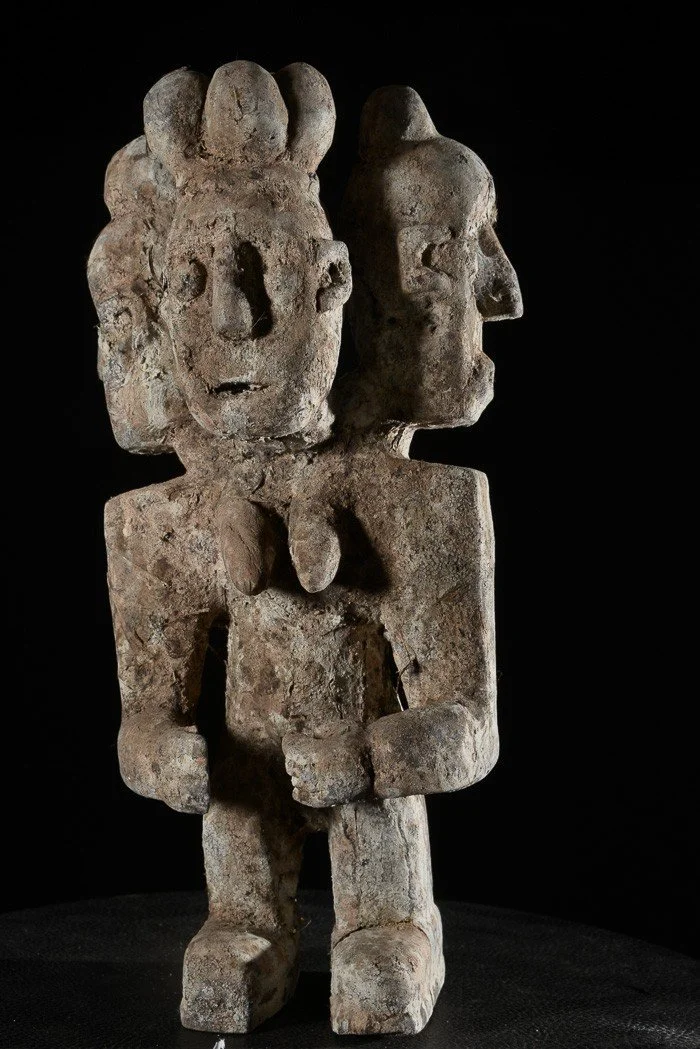
You belong here just as much as anyone else.
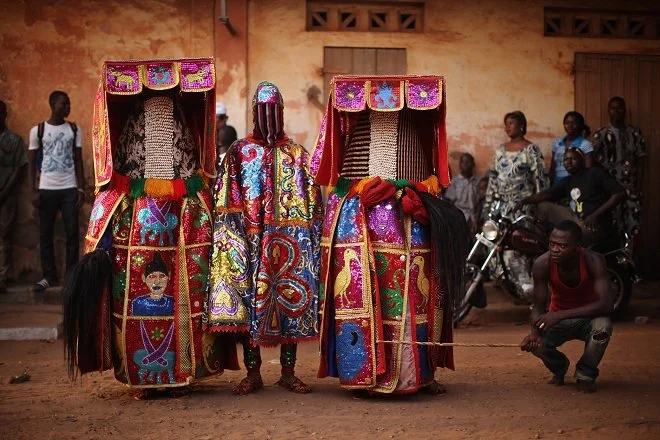
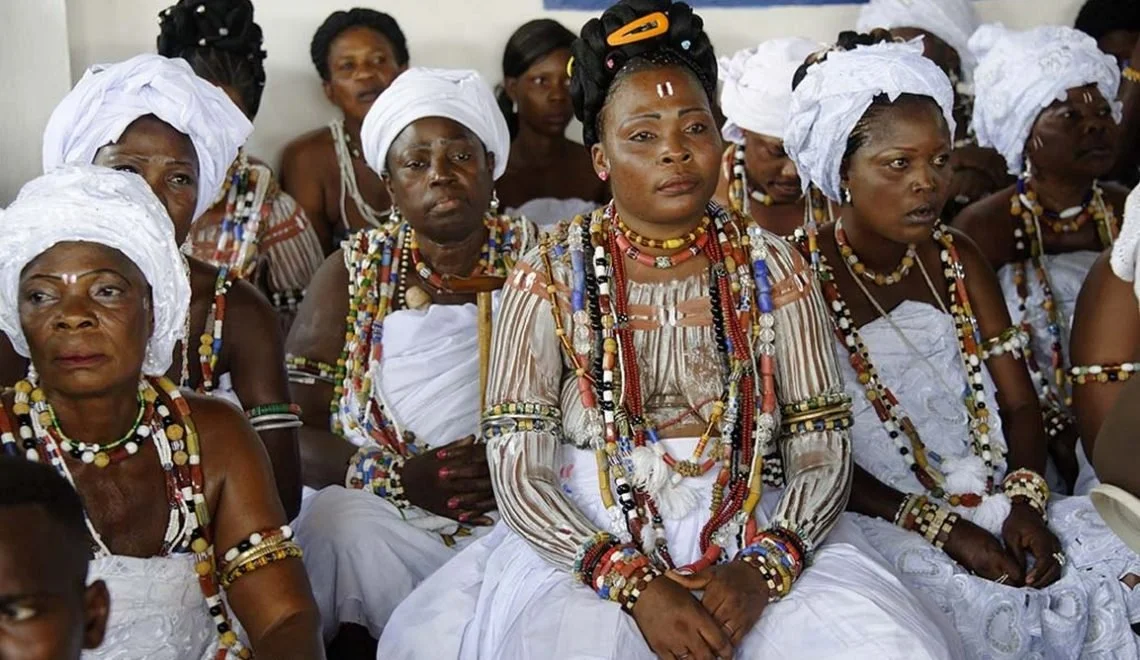
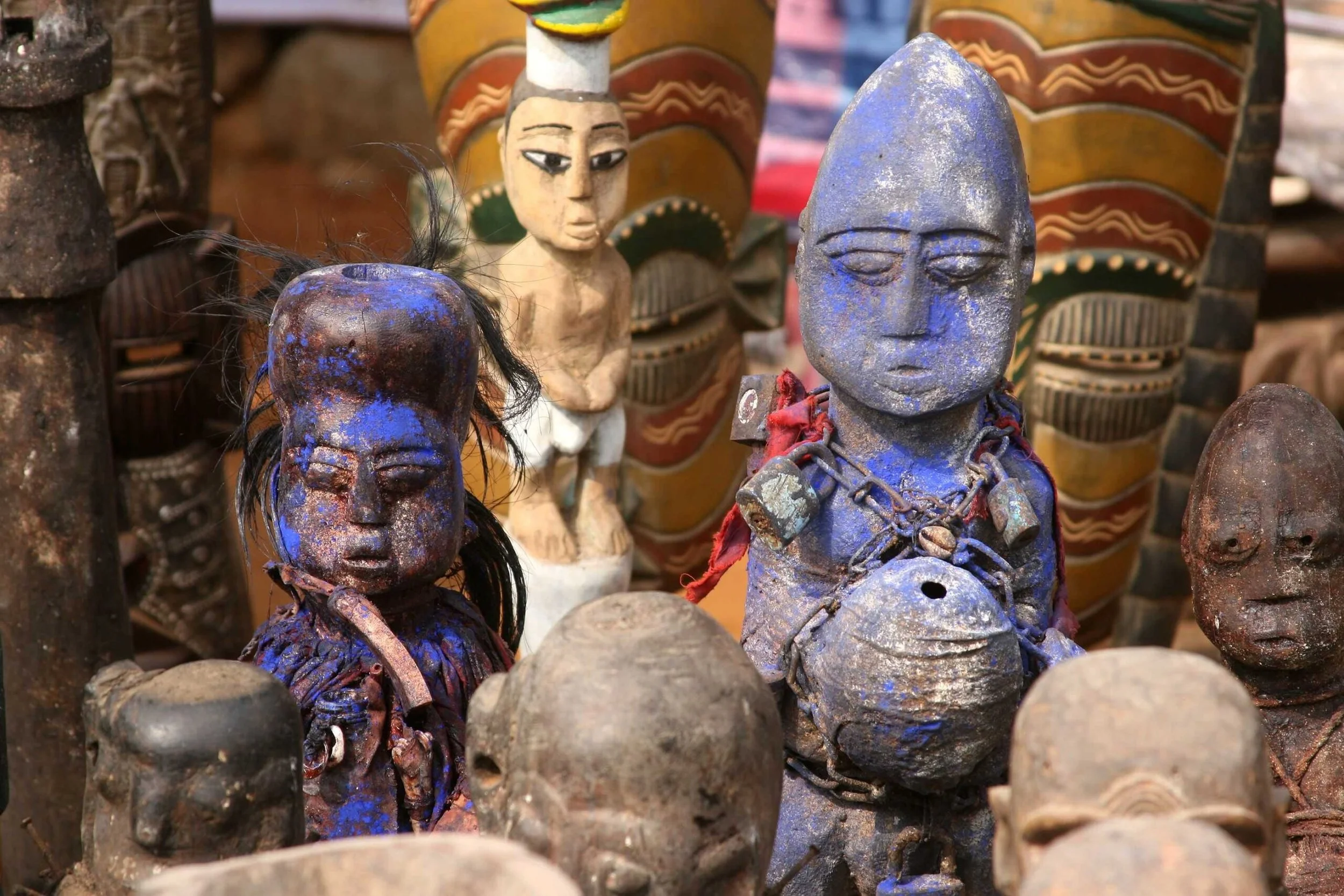
Vodoun is a practical religion, playing an important role in the family and the community. One’s ancestors, for instance, are believed to be a part of the world of the spirits, of the ADEs, and this is one way that Voodoo serves to root its participants in their own history and tradition. Another practical aspect of Voodoo ceremonies is that participants often come before the priest or priestess to seek advice, spiritual guidance, or help with their problems.
VODOUN
The priest or priestess then, through divine aid, offer help such as healing through the use of herbs or medicines (using knowledge that has been passed down within the religion itself), or healing through faith itself as is common in other religions. Voodoo teaches a respect for the natural world.
There are healing spells, nature spells, love spells, purification spells, joyous celebration spells. Spirits may be invoked to bring harmony and peace, birth and rebirth, increased abundance of luck, material happiness, renewed health.The fact is, for those who believe it, voodoo is powerful. It is also empowering to the person who practices it.
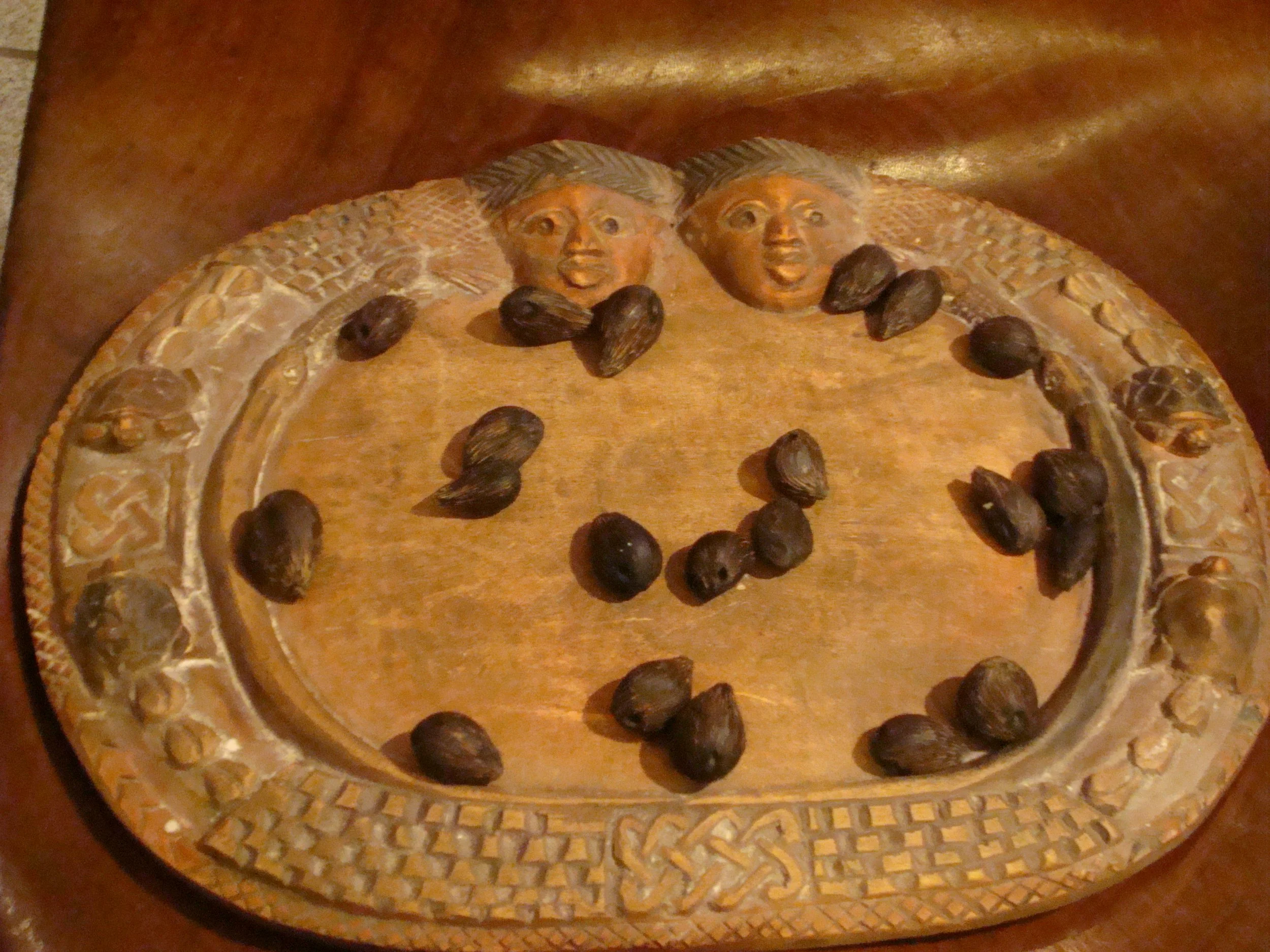
IFÁ
In vodoun, the FA occupies an exceptional place.
Everything begins with the FA and everything ends with the FA. He is both divinity, but also knowledge and science.
The message of the Fâ or oracle is of divine, even prophetic, essence. He is both divinity, but also knowledge and science. The message of the FA or oracle is of divine, even prophetic, essence.
It is a divinatory art which is carried out using a divinatory rosary with two identical branches and 16 possible combinations per branch. These 16 combinations are the basic figures or mother figures of the Oracle FA.
FA is used punctually in critical moments of life but also generally to know the sign under which a life is placed: it is the taking of FA.
In comparison with the major revealed religions, the big deficit of vodoun compared to these religions, is the absence of a holy book like the bible or the Koran
Historically, scholars trace her origins to early encounters between Europeans and West Africans in the 15th century, where Mami Wata developed from depictions of European mermaids. Mami Wata subsequently joined native pantheons of deities and spirits in parts of Africa.
Historically, Mami Wata is conceived of as an exotic female entity from Europe or elsewhere, often a white woman with a particular interest in objects foreign to West Africans that her adherents place at her shrines. In the mid-19th century, Mami Wata's iconography became particularly influenced by an image of snake charmer Nala Damajanti spreading from Europe. This snake charmer print soon overtook Mami Wata's earlier mermaid iconography in popularity in some parts of Africa.
MAMI WATA
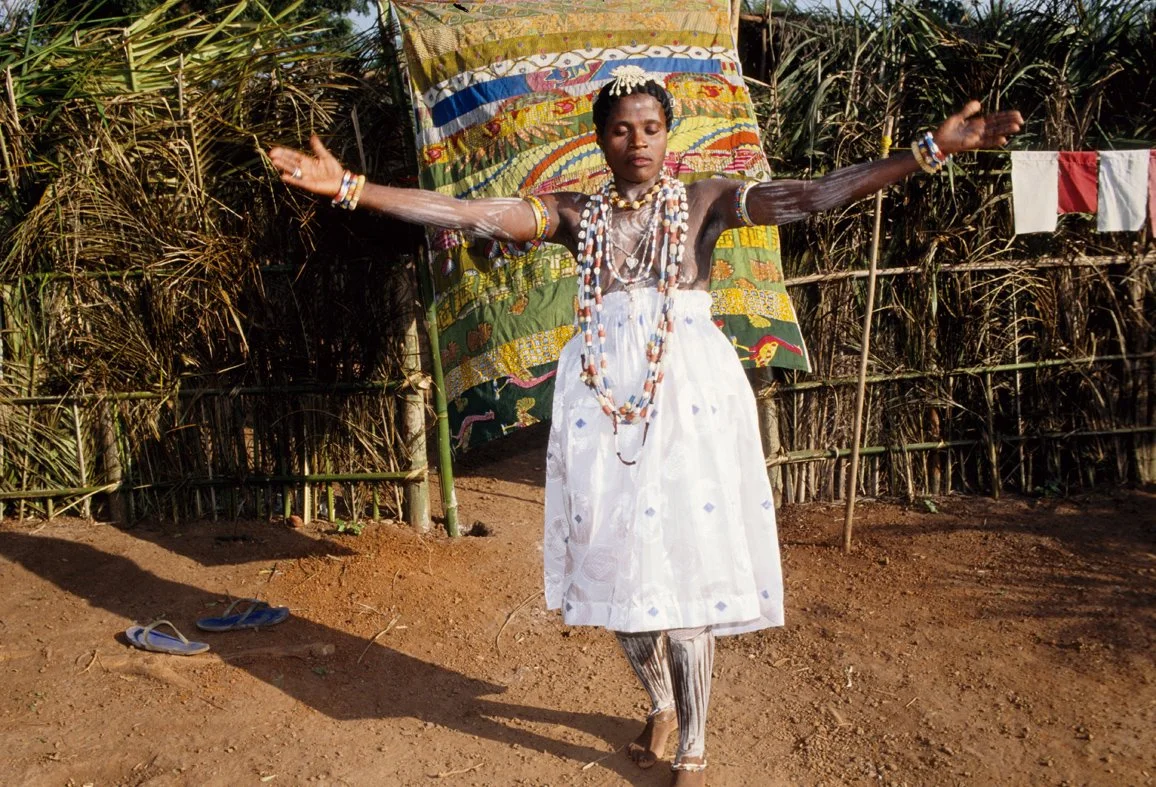
Mawu and Lissa (often referred to together as Mawu-Lisa or Segbo-Lissa) are twin deities in the Vodun religion of the Fon and Ewe peoples of Benin, Togo, and Ghana.
They represent a dualistic supreme being, embodying complementary cosmic forces.
Mawu is the female aspect, associated with the moon, night, fertility, wisdom, and mercy. She is often depicted as an elder woman holding a crescent moon and symbolizes gentleness, creation, and the spiritual realm.
Lissa is the male aspect, linked to the sun, day, fire, power, war, and authority. He is symbolized by the chameleon and the crocodile, representing strength, order, and the physical world.
Mawu Segbo Lissa
Together, Mawu and Lissa form a unified divine principle—Mawu-Lisa—seen as the supreme creator of the universe. According to myth, Mawu created the Earth, while Lissa provided tools for humans to cultivate the land. They are children of Nana Buluku, the primordial mother goddess, and their union reflects the balance of opposites in the cosmos.
-
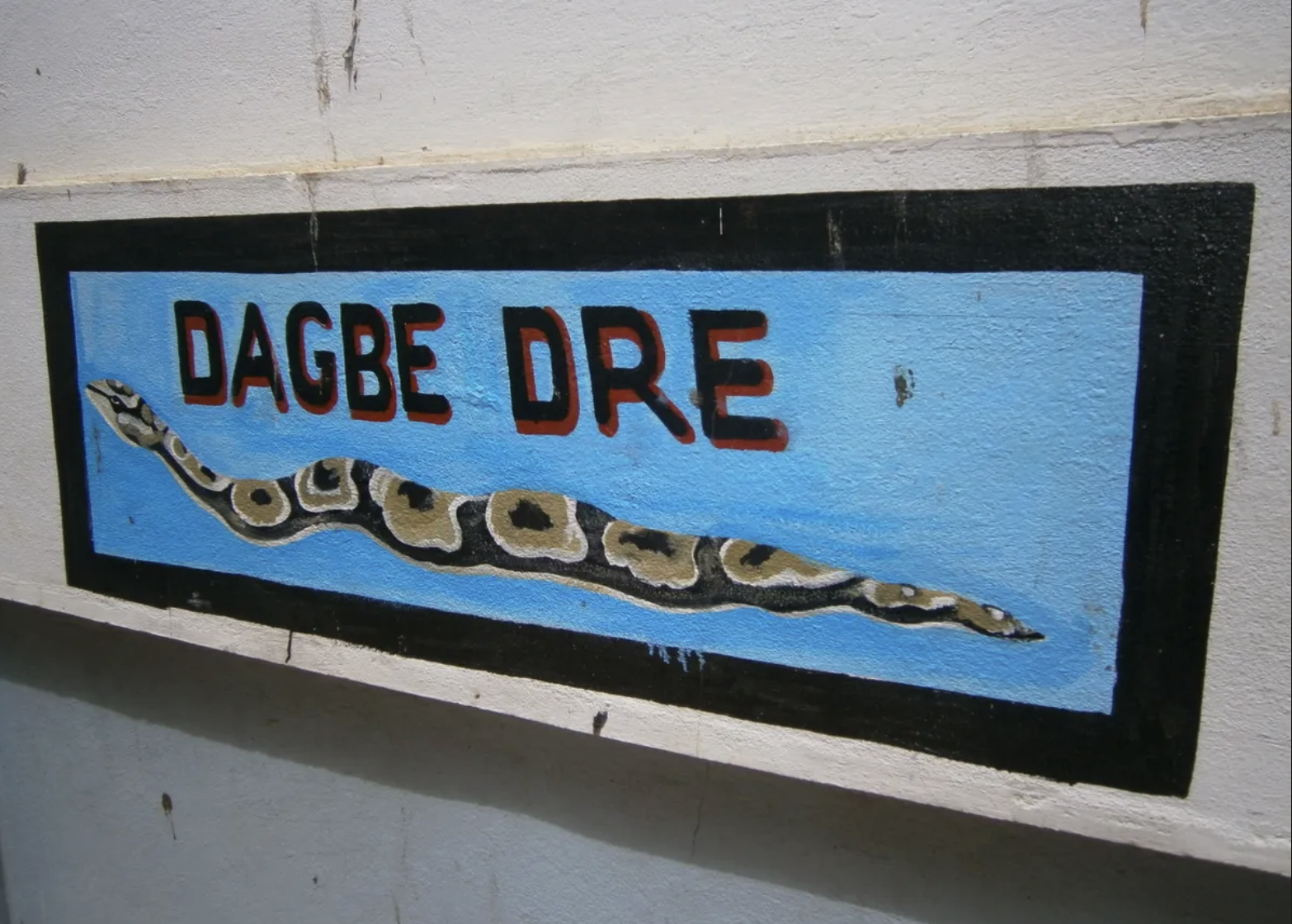
![The Temple of Pythons, https://www.atlasobscura.com/places/the-temple-of-pythons-ouidah-benin]()
www.atlasobscura.com/places/the-temple-of-pythons-ouidah-benin
-
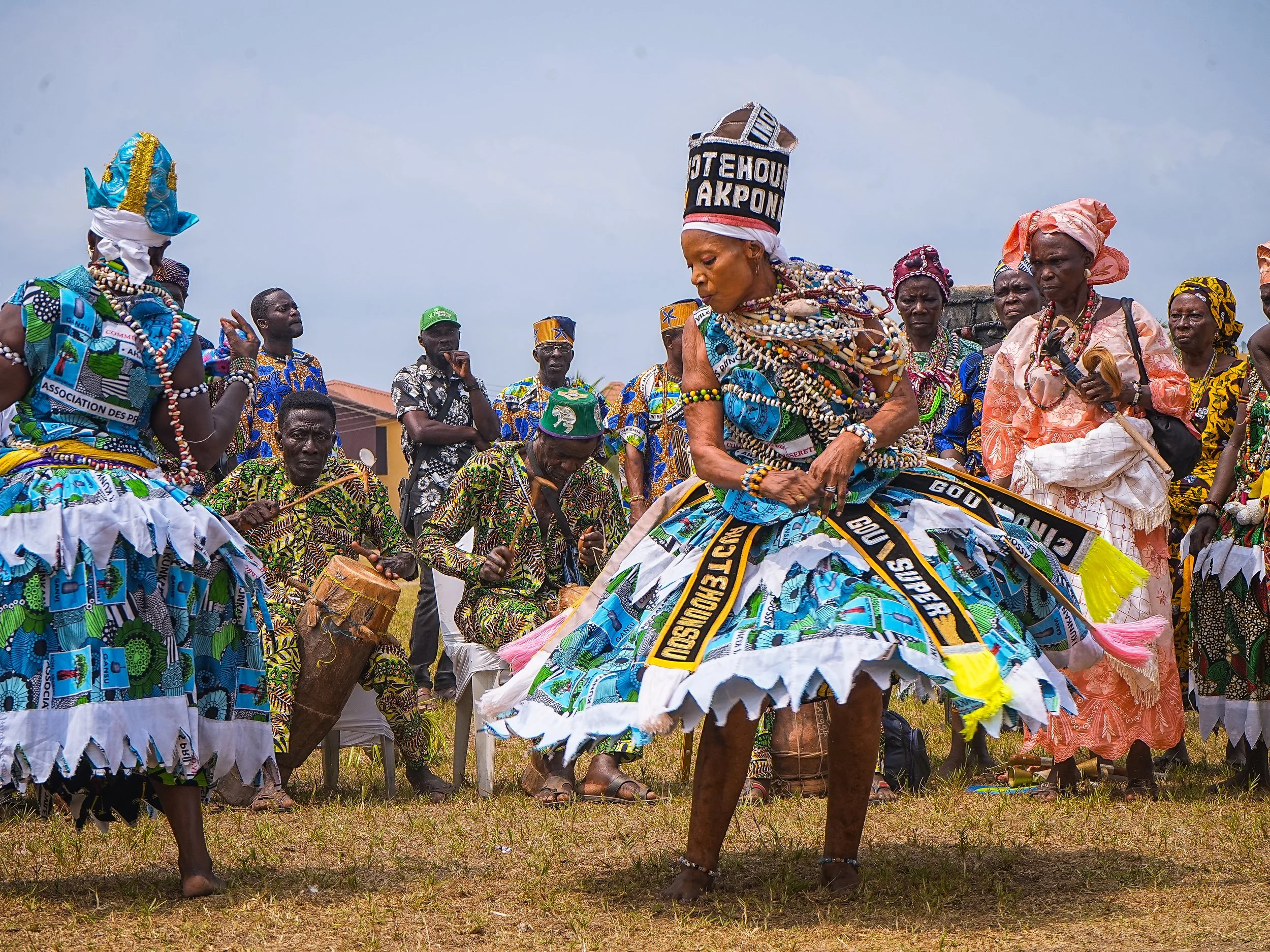
![https://cid-ds.org/africavodun/]()
Dance and Spirituality, cid-ds.org/africavodun/
-
![https://en.wikipedia.org/wiki/West_African_Vod%C3%BAn]()
West African Vodún, Wikipedia
-
![Mami Wata - Mother of the waters - Queen of the seas and oceans]()
Mami Wata - Mother of the waters - Queen of the seas and oceans, https://universvoyage.com/
-
![https://www.odysseys-unlimited.com/history-dive-west-african-vodun-voodoo/]()
West African Vodun, www.odysseys-unlimited.com/history-dive-west-african-vodun-voodoo/st Item
-
![West African Vodun]()
West African Vodun, https://www.odysseys-unlimited.com/history-dive-west-african-vodun-voodoo/
-
![Fon Religion]()
Fon Religion,mythopedia.com/topics/vodun-religion/
-
![https://every-day-is-special.blogspot.com/2013/01/january-10-2013-national-vodoun-day-in.html]()
Vodoun Day, www. every-day-is-special.blogspot.com/2013/01/january-10-2013-national-vodoun-day-in.html
-
![Effigie Lwa Mami Densou Vodun , https://www.bruno-mignot.com/art-populaire/5522-effigie-lwa-mami-densou-vodun-adja-togo.html]()
www.bruno-mignot.com/art-populaire/5522-effigie-lwa-mami-densou-vodun-adja-togo.html